10 Must-See U.S. National Parks: Fast Facts & Trip Tips
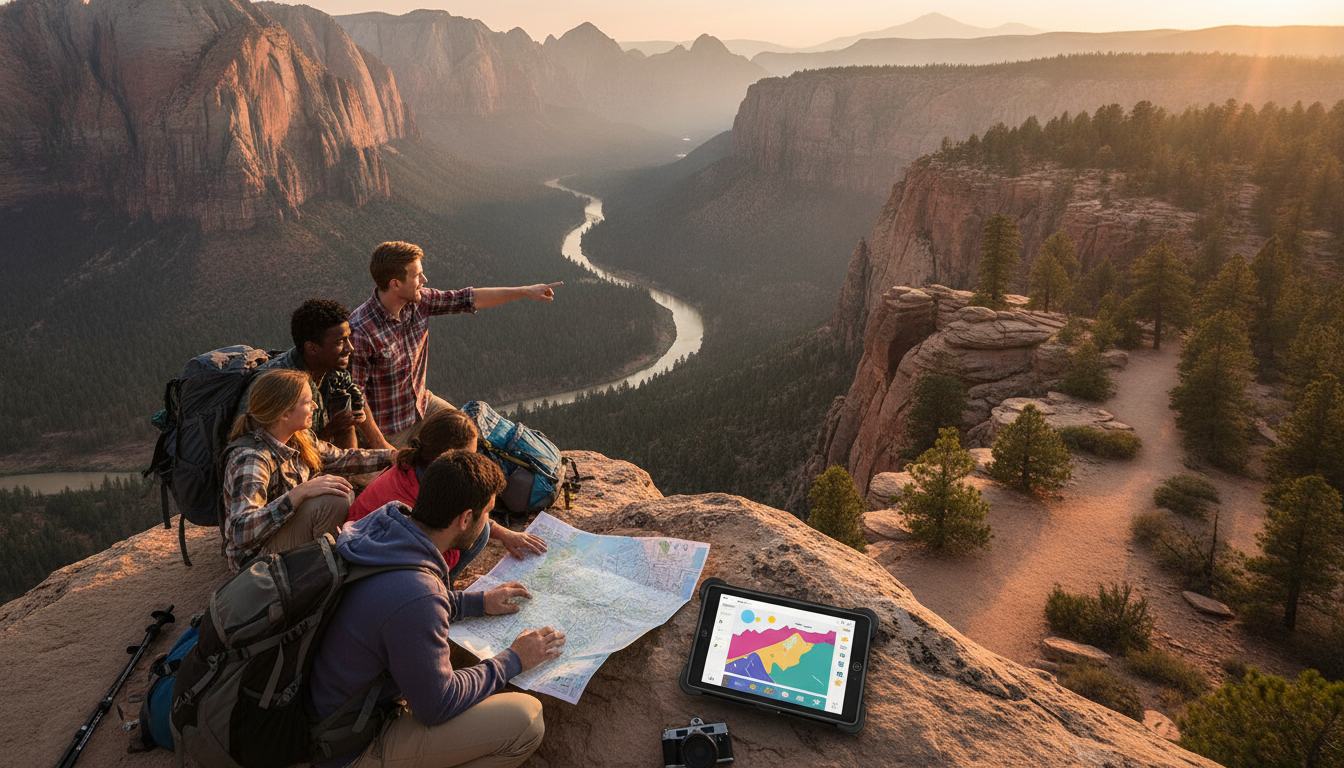
Top 10 Must-See U.S. National Parks + Fast Facts: A Digital Travel Guide for Nature Lovers, Hikers, and Adventure Planners
National park trips get easier when the big decisions—where to go, what to prioritize, and what to know before arriving—are already organized in one place. This guide-style article pairs quick park “fast facts” with practical planning cues, then points to a downloadable eBook that keeps the essentials handy for trip mapping, hike picking, and itinerary building.
What makes a “must-see” national park trip
“Must-see” can mean different things depending on your travel style, but the best national park picks share a few traits that translate into a great experience with real-world time constraints.
- Signature landscapes: iconic overlooks, standout geology, and photogenic drives that deliver big scenery even on a short visit.
- Trail variety: easy strolls, moderate day hikes, and tougher routes in the same park so your itinerary can flex.
- Seasonality and access: roads, shuttles, permits, and closures that shape what’s actually possible (and when).
- Wildlife and safety: common encounters and the basics that protect both visitors and animals.
- Time efficiency: clear ways to get a satisfying trip in 1 day, 2–3 days, or a full week.
For official planning guidance, check the National Park Service (NPS) “Plan Your Visit” resources before you lock in dates.
What’s inside the digital eBook
If you like your travel planning to feel more like choosing from a shortlist than starting from scratch, the Top 10 Must-See U.S. National Parks + Fast Facts (Digital Travel Guide eBook) is designed for quick decisions and cleaner itineraries.
- Curated list of 10 standout parks with scannable fast facts for fast comparisons.
- Planning-friendly structure: park snapshots that help you build a first-draft route without getting buried in details.
- Hiker-forward cues: prompts that help match viewpoints and trails to your fitness level and available time.
- Offline-ready convenience: save to your phone/tablet for travel days and low-service zones.
- Best for: nature lovers, hikers, road-trippers, and adventure planners who prefer concise, usable info.
Want to keep your park days lighter and cleaner? Pair the guide with the Eco-Friendly Traveler Checklist (Sustainable Travel Digital Download) to streamline packing and reduce waste without overthinking it.
Fast facts comparison: 10 park ideas to shortlist
Use this as a quick shortlist tool, then confirm current conditions (permits, road openings, alerts) before finalizing dates. A solid strategy is pairing one “big icon” park with one less-crowded or higher-elevation option to balance scenery and comfort.
| Park | Best for | Typical sweet spot season | Planning note |
|---|---|---|---|
| Yosemite | Waterfalls, granite viewpoints | Spring–early summer; fall for fewer crowds | Some areas require reservations/permits depending on season |
| Grand Canyon | Canyon overlooks, rim hikes | Spring/fall | Heat management is critical for inner-canyon hiking |
| Zion | Canyon hikes, big walls | Spring/fall | Shuttle/permit logistics can shape daily timing |
| Yellowstone | Geysers, wildlife watching | Late spring–early fall | Plan for traffic and wildlife-related slowdowns |
| Glacier | Alpine scenery, lake trails | Summer–early fall | Road access varies by snowpack and opening dates |
| Rocky Mountain | High-elevation drives and hikes | Summer; early fall for aspens | Altitude acclimation matters for comfort and safety |
| Arches | Desert arches and short trails | Spring/fall | Midday heat can be intense; start early |
| Acadia | Coastal hikes, sunrise points | Late spring–fall | Popular sunrise areas may require early arrival or timed access |
| Olympic | Rainforest + coast + mountains | Summer for broad access | Microclimates: pack for sun, rain, and wind in one day |
| Great Smoky Mountains | Forest drives, waterfalls, wildflowers | Spring for blooms; fall for color | Crowds spike on weekends and peak foliage windows |
How to choose the right park for the trip you want
If you’re curious about the landscapes themselves, the USGS National Park Geology pages are a great rabbit hole for understanding what you’re seeing.
Simple itinerary patterns that work
Pack and prep essentials for park days
For a quick refresher on low-impact basics, the Leave No Trace Seven Principles are the standard.
Get the digital guide and plan with confidence
Use the Top 10 Must-See U.S. National Parks + Fast Facts (Digital Travel Guide eBook) as a fast reference for choosing parks, comparing trip styles, and building a realistic first draft itinerary. It’s especially useful for road-trip planners, hikers who want quick orientation, and travelers who prefer concise facts over long narratives.
For packing and low-waste travel habits that are easy to follow on the road, add the Eco-Friendly Traveler Checklist (Sustainable Travel Digital Download) to your pre-trip routine.
FAQ
What are the top 10 things to see in the world?
“Top 10” depends on your interests and budget, but a balanced list usually mixes natural wonders, cultural landmarks, wildlife regions, and city icons. For nature-focused travelers, U.S. national parks are a high-impact subset because they combine scenery, trail access, and protected ecosystems in one trip.
How many days do you need for a national park trip?
One day is enough for highlights (a scenic drive plus one signature viewpoint and trail), while 2–3 days lets you explore separate zones without rushing. With 4–7 days, you can cover icons and add quieter areas, which often improves the experience as much as the extra mileage does.












Leave a comment