7-Day Guided Meditation Audio Plan to Ease Anxiety
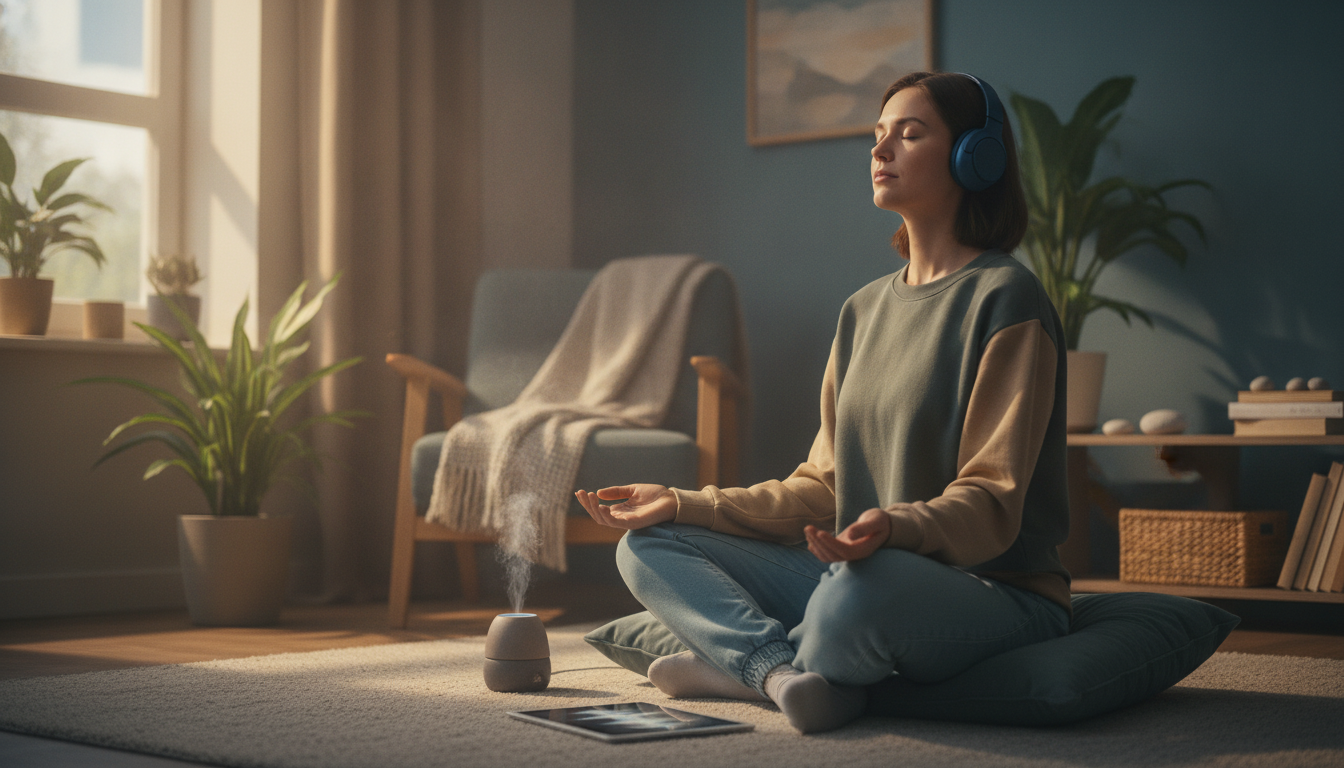
Calm Your Mind: Guided Meditation Audio Course for Anxiety Relief
Racing thoughts, tight shoulders, and a restless body can make it hard to feel present. A short, consistent guided meditation practice can help shift the nervous system toward steadier breathing, softer muscle tension, and a clearer attention span. This audio series is designed for simple, repeatable sessions that fit real life—especially on days when focus feels difficult.
If you’re looking for a clear, voice-led structure (instead of “sit in silence and hope it works”), Calm Your Mind: Guided Meditation Series | Audio Course | Anxiety Relief Meditation is built to help you press play and settle in—one small session at a time.
What this guided meditation series is
This is an audio-led guided meditation course designed to reduce the mental load of figuring out what to do when anxiety shows up. You’re guided step-by-step, so your attention has something steady to follow.
- Audio-led sessions that reduce decision fatigue by guiding attention step-by-step
- Built for anxious moments: grounding cues, breath pacing, and gentle body scanning
- Useful for beginners who prefer clear direction over silent meditation
- Designed to be replayed so the body learns the routine and settles faster over time
For a deeper look at how mindfulness practices are commonly used, see the National Center for Complementary and Integrative Health overview on Meditation and Mindfulness.
Who it helps most
Guided audio can be especially helpful when anxiety makes it hard to focus or when your mind feels too “loud” to meditate on your own.
- People who feel stuck in worry loops and want an easy way to interrupt spiraling thoughts
- Anyone who struggles to relax at night or wakes up with a tense, braced feeling
- Busy schedules that make long practices unrealistic; short sessions still build consistency
- Those who prefer headphones and a calm voice over reading instructions or watching videos
If your stress relief routine includes movement, pairing a short meditation with a simple training plan can be a practical combo. Consider adding structure with Cardio + Strength Done Right | How to Combine Cardio and Strength Training Effectively | Fitness Checklist for Fat Loss, Muscle Gain & Endurance for days when you want an action-based reset, too.
How guided meditation can calm anxiety sensations
Anxiety often shows up as both thoughts and physical sensations—tight chest, fluttery stomach, shallow breathing, or a “wired” feeling. Guided meditation works by giving your nervous system a predictable pattern to follow.
- Breath focus can slow rapid breathing patterns that often accompany anxious states
- Body scans help notice and soften tension in common areas (jaw, chest, shoulders, stomach)
- Attention training supports a gentler relationship with intrusive thoughts—observing rather than wrestling
- Grounding practices (sound, touch, posture) can reduce feeling “spaced out” or overwhelmed
The American Psychological Association summarizes how mindfulness meditation supports stress and emotional regulation in its resource on Mindfulness meditation.
A simple 7-day listening plan (repeat as needed)
Consistency matters more than intensity. Pick a time that’s realistic and treat it like a small daily appointment with your nervous system.
- Choose one consistent time (morning reset, mid-day pause, or pre-sleep wind-down)
- Keep sessions short at first; finishing calmly matters more than duration
- Use the same spot and posture to create a mental cue for settling quickly
- Track one change only (sleep onset, fewer spirals, calmer breathing) to avoid overanalyzing
7-day calming routine using guided audio
| Day | When to listen | Goal | Tip to make it easier |
|---|---|---|---|
| 1 | Evening | Downshift the body | Dim lights and lower screen brightness 30 minutes before |
| 2 | Morning | Start with steadier breath | Listen before checking messages |
| 3 | Mid-day | Interrupt mental loops | Pair with a short walk or seated break |
| 4 | Evening | Release muscle tension | Add a shoulder roll before pressing play |
| 5 | Morning | Build attention endurance | If distracted, return to the voice—no self-critique |
| 6 | Mid-day | Reset after stress | Exhale a little longer than the inhale for a few breaths |
| 7 | Evening | Create a wind-down ritual | Replay a favorite session instead of choosing something new |
How to get the most from an audio-based practice
Guided meditation becomes easier when you remove friction. The goal is to make “press play” the default response when you notice anxiety building.
- Use headphones if possible; clear sound reduces background distractions and helps you stay anchored
- Keep posture supportive: seated with feet on the floor, or lying down if sleep is the goal
- If anxiety spikes, switch to grounding: feel your feet, name 5 things you can see, or focus on contact points (back on chair, hands on thighs)
- Consistency beats intensity: a calm 5–10 minutes practiced often is more sustainable than occasional long sessions
If your anxiety is strongly tied to relationship uncertainty, boundaries, or dating stress, a structured checklist can reduce rumination by turning vague worry into clear signals. Mindful Dating Red-Flag Checklist | Printable Dating Checklist for Emotional Safety & Boundaries | Spot Red Flags Early can complement meditation by supporting calmer decision-making outside the practice.
When to seek additional support
Meditation is a skill-building tool, not a requirement to handle everything alone. If symptoms are intense or persistent, support can make a meaningful difference.
For an overview of anxiety conditions and common treatments, the National Institute of Mental Health provides a clear primer on Anxiety Disorders.
FAQ
How to relax your mind and body from anxiety?
Try a short sequence: inhale gently, then exhale a little longer for 5–8 breaths; unclench your jaw and drop your shoulders; name a few things you can see/hear/feel to ground through your senses; then use a guided audio session to keep your attention anchored. Keep it brief when you’re overwhelmed—finishing calmly matters more than doing “more.”












Leave a comment